Why Soft Skills Matter More Than ABCs When Starting Preschool

As a Year 1 teacher, I often meet parents who are eager for their child to know letters and numbers. Some even want their child to start reading before preschool. While these are wonderful goals, the truth is that academic skills are not the most important thing at age five.
What really sets children up for success is their ability to manage themselves and interact with others. These soft skills—independence, self-regulation, listening, and social interaction—form the foundation that future learning stands upon. Please, bare in mind that these skills are learned and improved by practicing them everyday and everywhere.
Think of them as the roots of a tree. Strong roots allow the branches (academic skills) to grow tall and healthy. Without those roots, even the brightest child can feel lost or frustrated in the classroom.
The Crucial Soft Skills for Preschool Readiness
- Independence: Can your child handle small daily tasks like using the bathroom, putting on shoes, or unpacking their bag? These simple acts build confidence and free up the teacher to focus on learning.
- Self-Regulation: Preschool is full of moments that test patience—waiting for a turn, sharing materials, coping with transitions. A child who can calm down after disappointment is already on the path to success. Expressing frustration with kind words is also part of this journey.
- Listening and Attention: Obeying instructions, listening to a story, and paying attention in group activities are the cornerstones of learning. Listening well doesn’t just support literacy—it makes every topic easier.
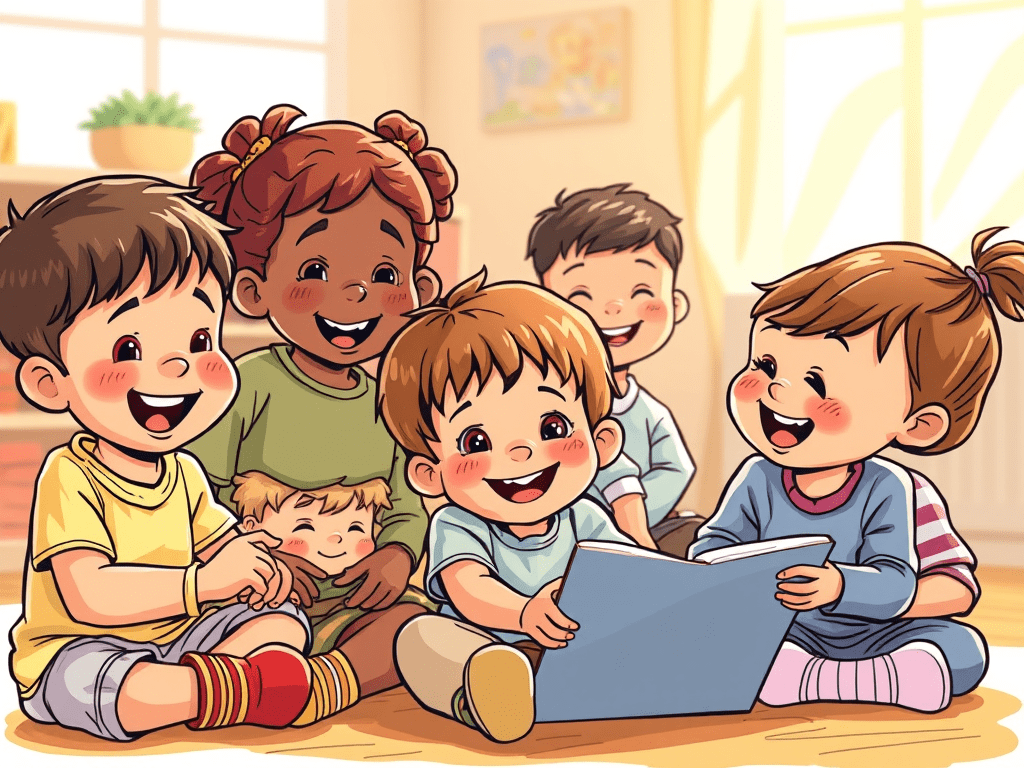
- Social Interaction: Learning is social. Children who can make friends, share, play cooperatively, and show kindness to others find school both enjoyable and meaningful.
A Parent’s Checklist for Preschool Readiness
Here’s a simple checklist you can use at home. It will help you see how your child is developing the soft skills that really matter. Remember—no child is perfect in every area, but practicing these regularly will make their learning journey smoother.
Independence
- Can put on and take off shoes/jacket with little help
- Uses the toilet independently (including washing hands)
- Can open their bottle/lunchbox/snacks on their own
- Packs and carries their own bag
Self-Regulation
- Can wait for a short turn without fuss
- Calms down after getting upset (sometimes with adult support)
- Accepts “no” or changes in routine most of the time
- Uses simple words to explain feelings (“I’m sad,” “I’m angry”)
Listening and Attention
- Can listen to a short story without interrupting
- Follows 2–3 step instructions (e.g., “Get your shoes, put them on, and sit down”)
- Pays attention to group activities for at least 5–10 minutes
Social Interaction
- Plays alongside or with other children
- Shares toys or takes turns (with reminders if needed)
- Greets others politely (“hello,” “goodbye,” “thank you”)
- Shows empathy (comforts a sad friend, asks to join in play)
How Parents Can Help
- Build routines: Give your child daily responsibilities—packing their bag, setting the table, tidying up toys.
- Practice patience: Use games or role-play to help your child wait and take turns.
- Encourage expression: Teach simple words for feelings and model calm and polite responses.
- Read together daily: This strengthens attention, listening, and language all at once.
- Offer social play: Arrange playdates, visits to the playground, or family games that involve sharing and teamwork.
Reflection
Your child doesn’t need to read or do sums before preschool. What they do need is the confidence to try, the patience to learn, and the ability to connect with others. When soft skills are strong, academic learning will naturally bloom.
 Andrya's Teaching Portfolio
You must be logged in to post a comment.